
RV Inverters
12 V and 24 V Victron Phoenix inverters with 120 V output, from 250 VA to 3000 VA.
 Victron Energy
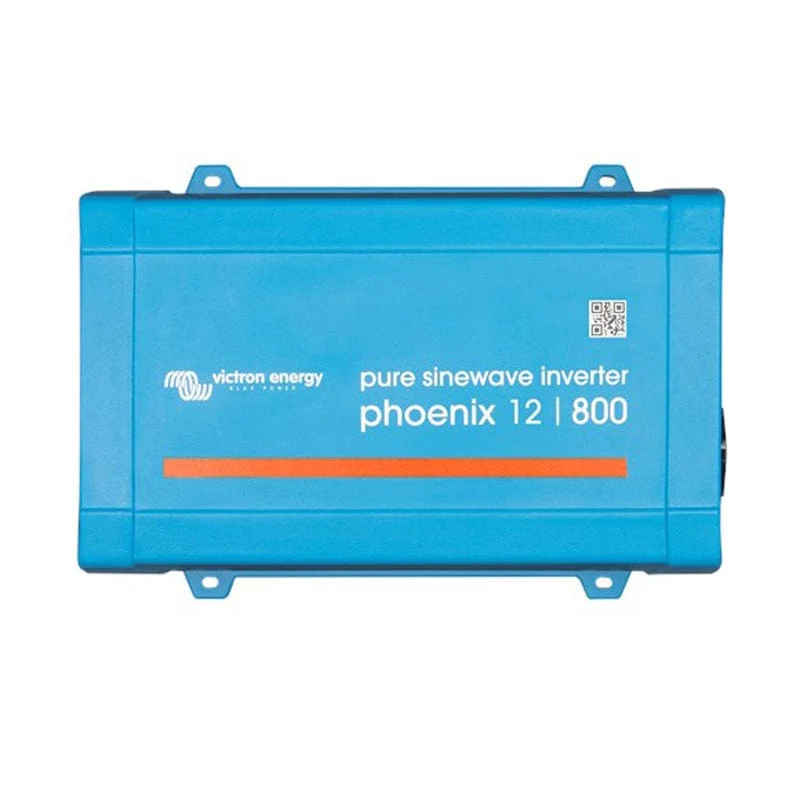
Victron Phoenix Inverter 12/800 120 Vac VE.Direct NEMA
Victron Phoenix Inverter 12/800 120 Vac VE.Direct NEMA converts battery DC power into pure sine-wave AC power for compatible onboard equipment.
SKU VIC-PIN121800500
$263.50MSRP $310.00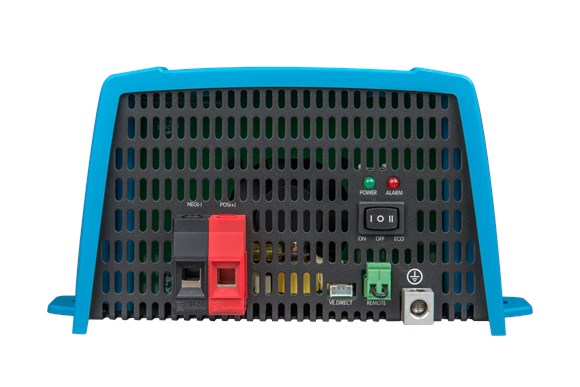 Victron Energy
Victron Phoenix Inverter 12/800 120 V VE.Direct GFCI
Victron Phoenix Inverter 12/800 120 V VE.Direct GFCI converts battery DC power into pure sine-wave AC power for compatible onboard equipment.
SKU VIC-PIN121800510
$271.15MSRP $319.00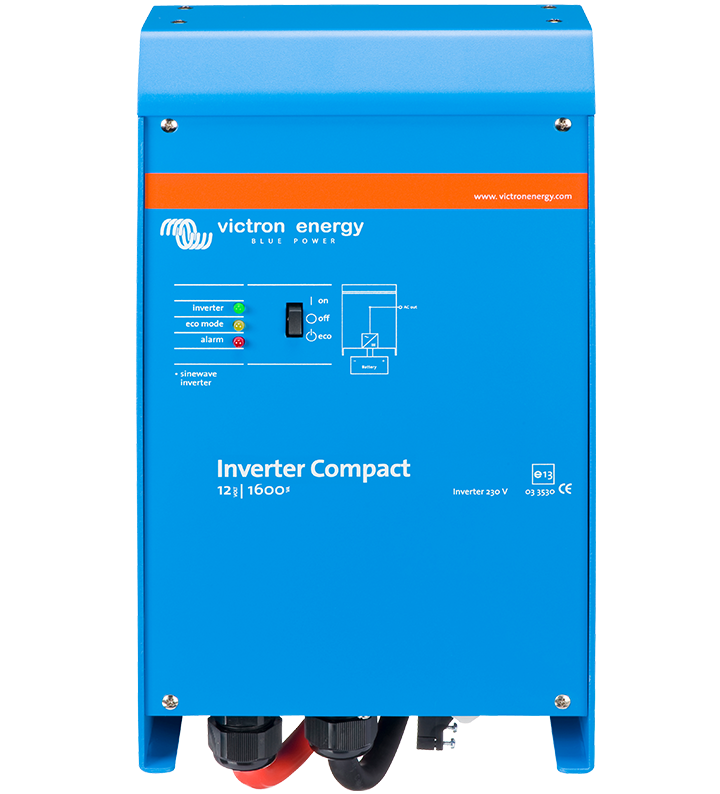 Victron Energy
Victron Phoenix Inverter 12 Vdc 1200VA 120 V VE.Direct NEMA
Victron Phoenix Inverter 12 Vdc 1200VA 120 V VE.Direct NEMA converts battery DC power into pure sine-wave AC power for compatible onboard equipment.
SKU VIC-PIN122122500
$307.70MSRP $362.00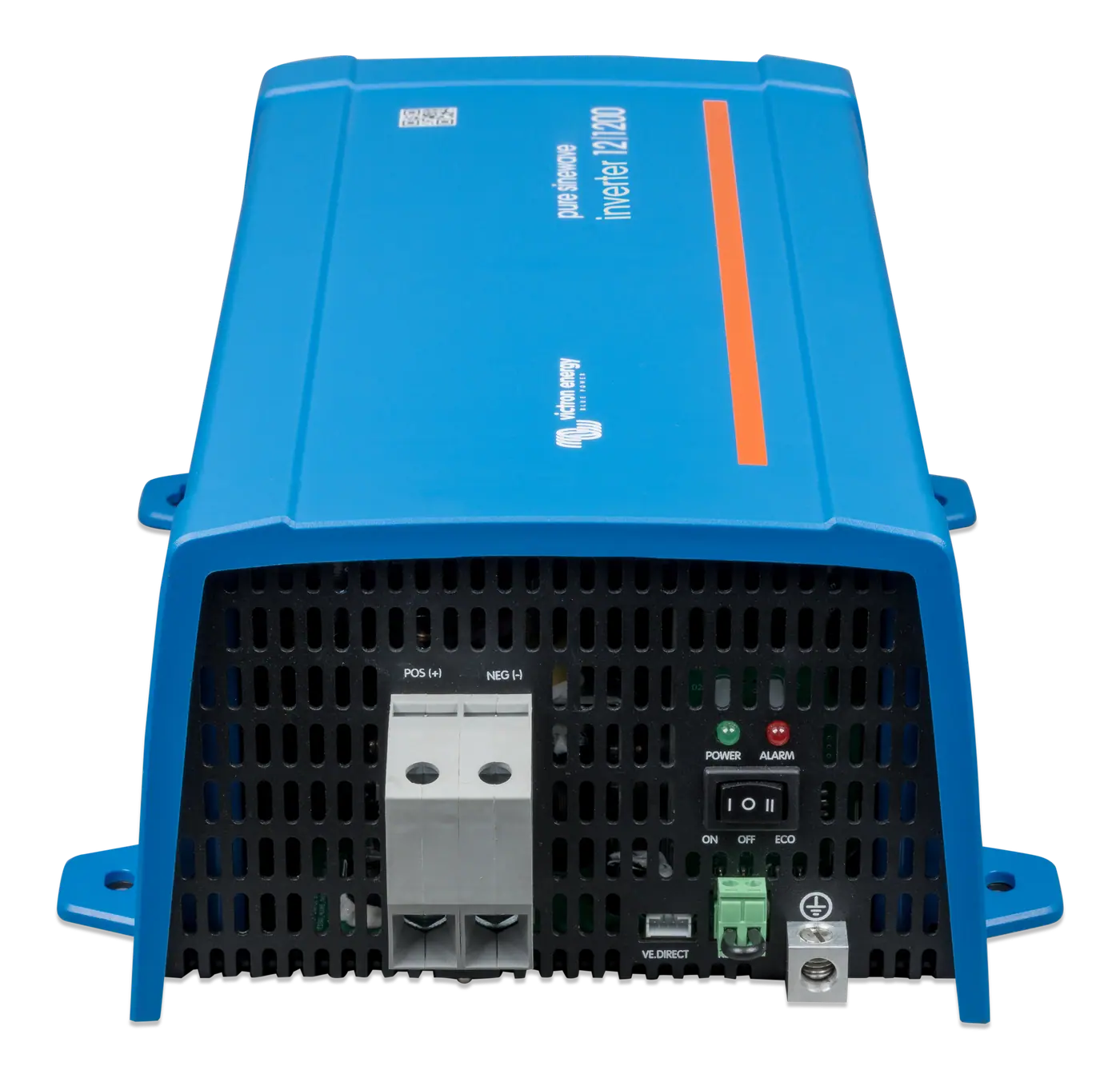 Victron Energy
Victron Phoenix Inverter 12/1200 120 V VE.Direct
Victron Phoenix Inverter 12/1200 120 V VE.Direct converts battery DC power into pure sine-wave AC power for compatible onboard equipment.
SKU VIC-PIN122122510
$317.05MSRP $373.00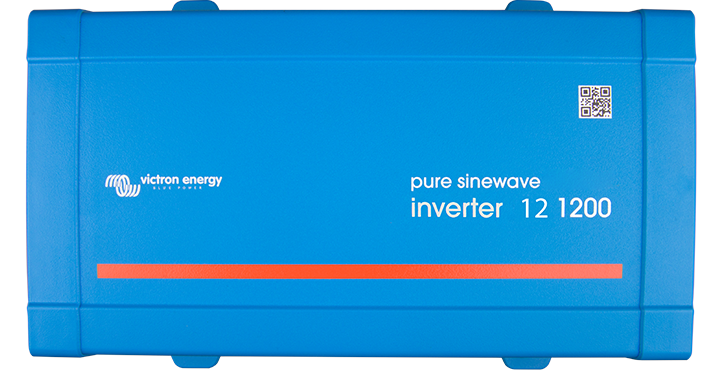 Victron Energy
Victron Inverter 12/1600 120 V VE.Direct NEMA 5-15R
Victron Inverter 12/1600 120 V VE.Direct NEMA 5-15R converts battery DC power into pure sine-wave AC power for compatible onboard equipment.
SKU VIC-PIN122161500
$361.25MSRP $425.00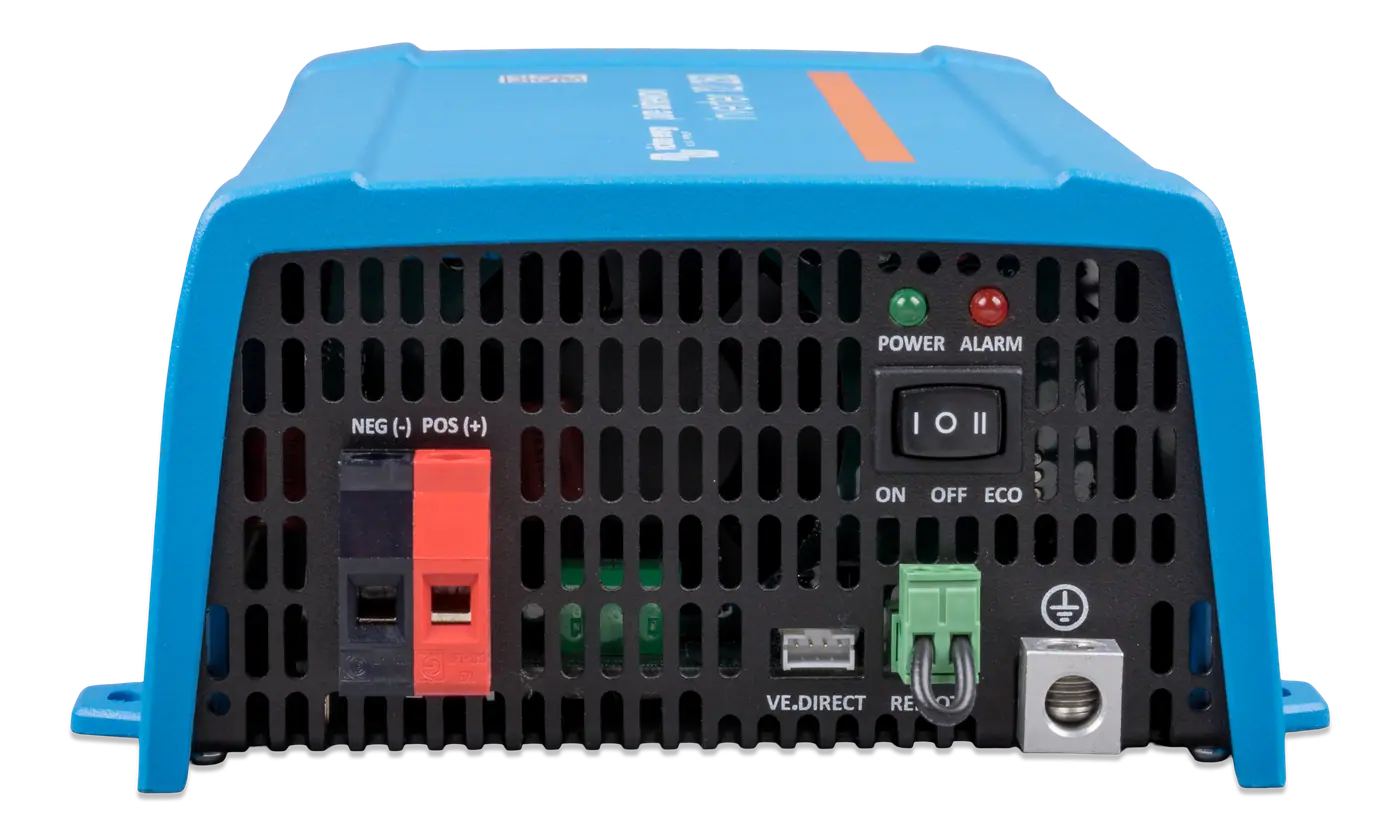 Victron Energy
Victron Phoenix Inverter 12/250 120 V VE.Direct GFCI
Victron Phoenix Inverter 12/250 120 V VE.Direct GFCI converts battery DC power into pure sine-wave AC power for compatible onboard equipment.
SKU VIC-PIN122510510
$108.80MSRP $128.00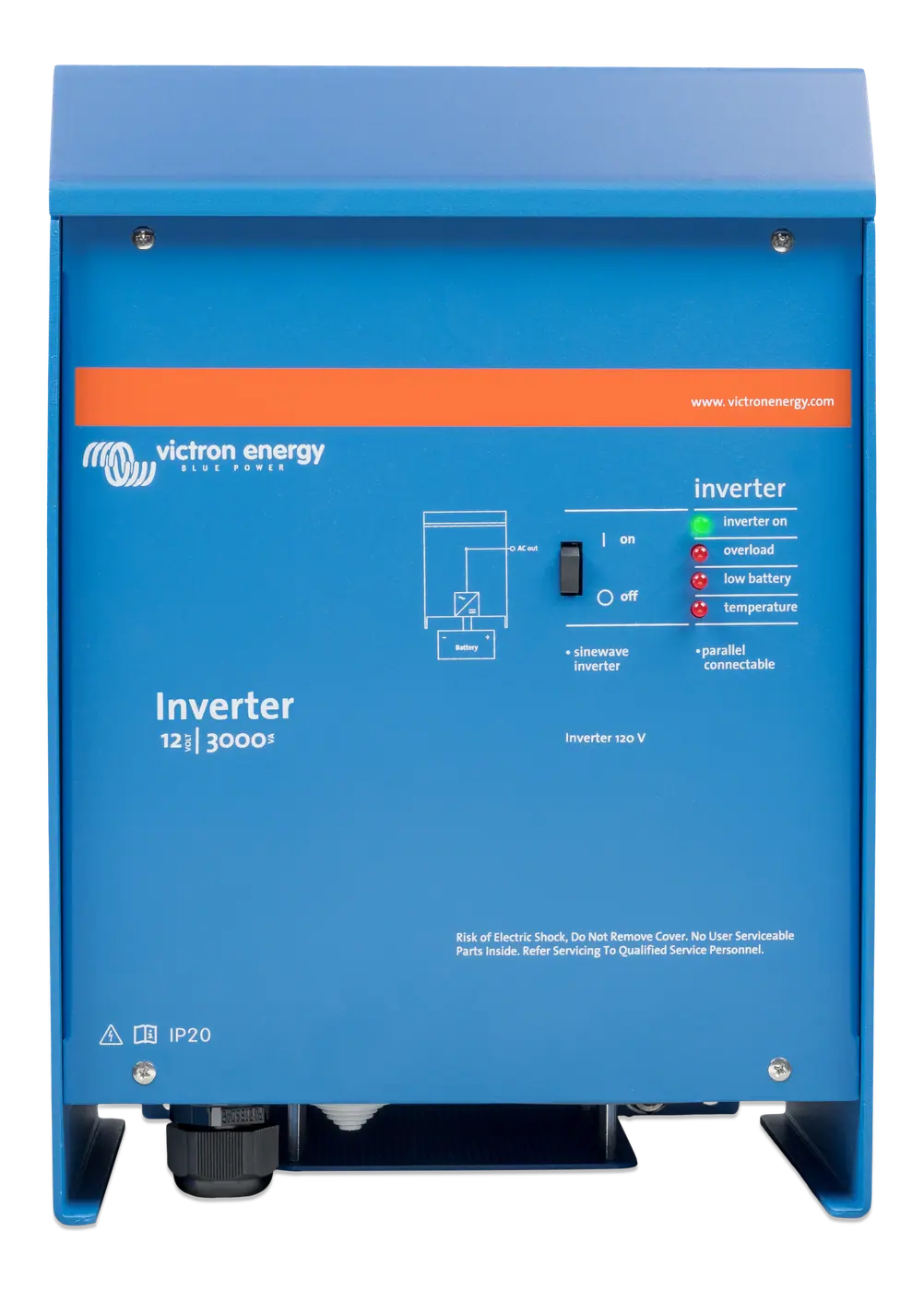 Victron Energy
Victron Phoenix Inverter 12 Vdc 3000VA 120 V Ve Bus
Victron Phoenix Inverter 12 Vdc 3000VA 120 V Ve Bus converts battery DC power into pure sine-wave AC power for compatible onboard equipment.
SKU VIC-PIN123020100
$1,154.30MSRP $1,358.00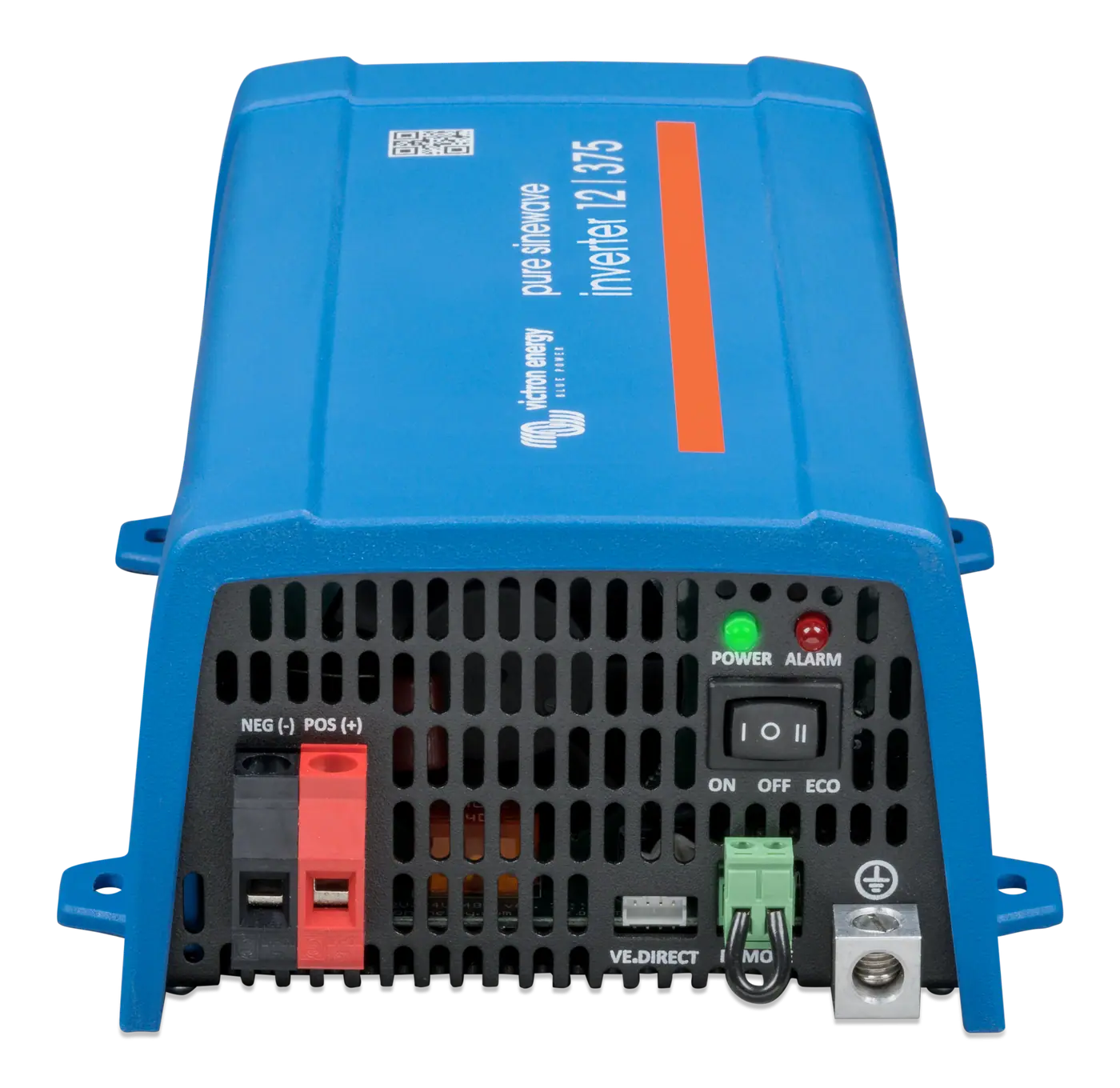 Victron Energy
Victron Phoenix Inverter 12/375 120 V VE.Direct NEMA
Victron Phoenix Inverter 12/375 120 V VE.Direct NEMA converts battery DC power into pure sine-wave AC power for compatible onboard equipment.
SKU VIC-PIN123750500
$123.25MSRP $145.00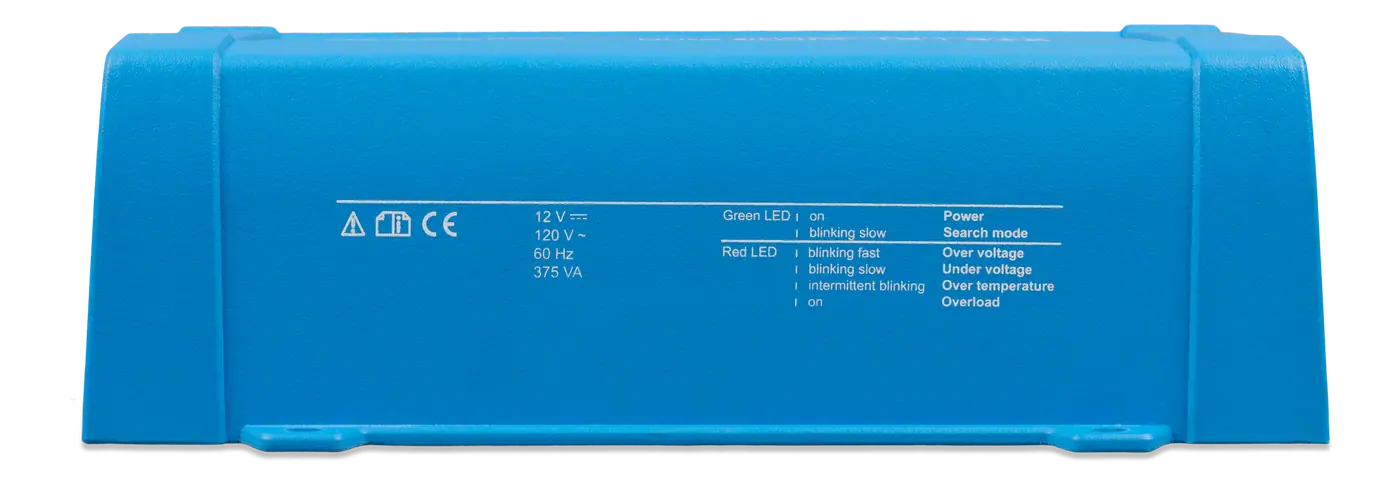 Victron Energy
Victron Phoenix Inverter 12/375 120 V VE.Direct GFCI
Victron Phoenix Inverter 12/375 120 V VE.Direct GFCI converts battery DC power into pure sine-wave AC power for compatible onboard equipment.
SKU VIC-PIN123750510
$132.60MSRP $156.00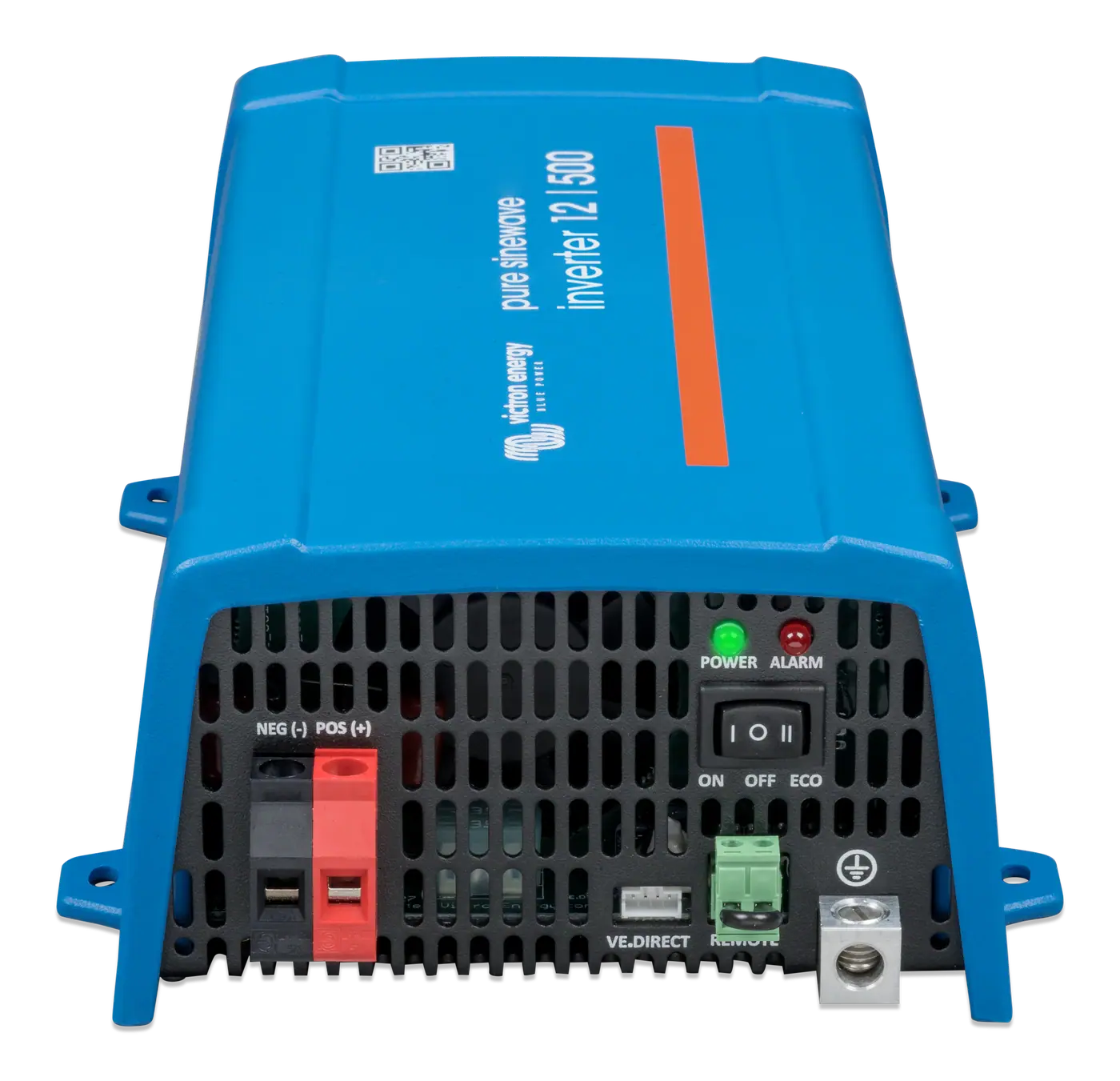 Victron Energy
Victron Phoenix Inverter 12/500 120 V VE.Direct NEMA
Victron Phoenix Inverter 12/500 120 V VE.Direct NEMA converts battery DC power into pure sine-wave AC power for compatible onboard equipment.
SKU VIC-PIN125010500
$153.85MSRP $181.00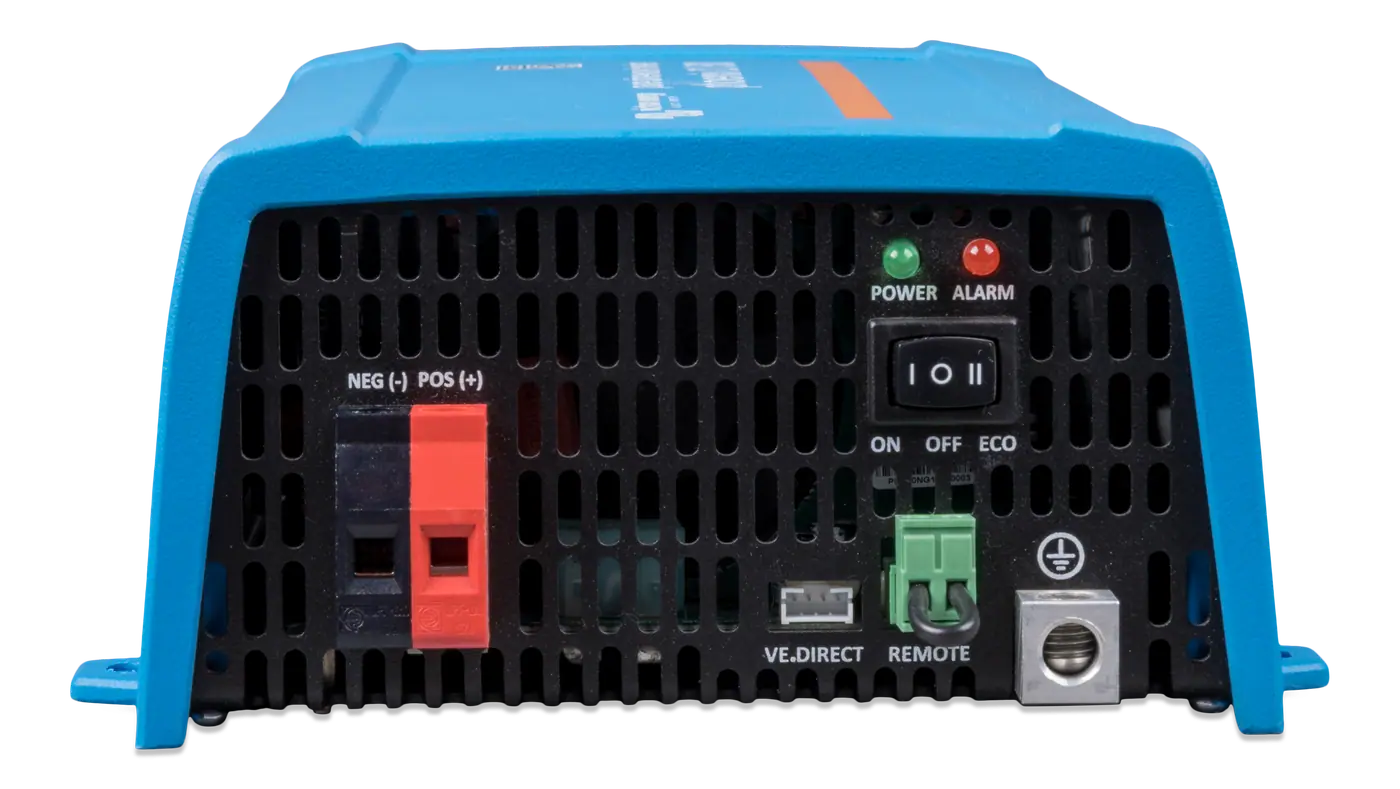 Victron Energy
Victron Phoenix Inverter 12/500 120 V VE.Direct GFCI
Victron Phoenix Inverter 12/500 120 V VE.Direct GFCI converts battery DC power into pure sine-wave AC power for compatible onboard equipment.
SKU VIC-PIN125010510
$165.75MSRP $195.00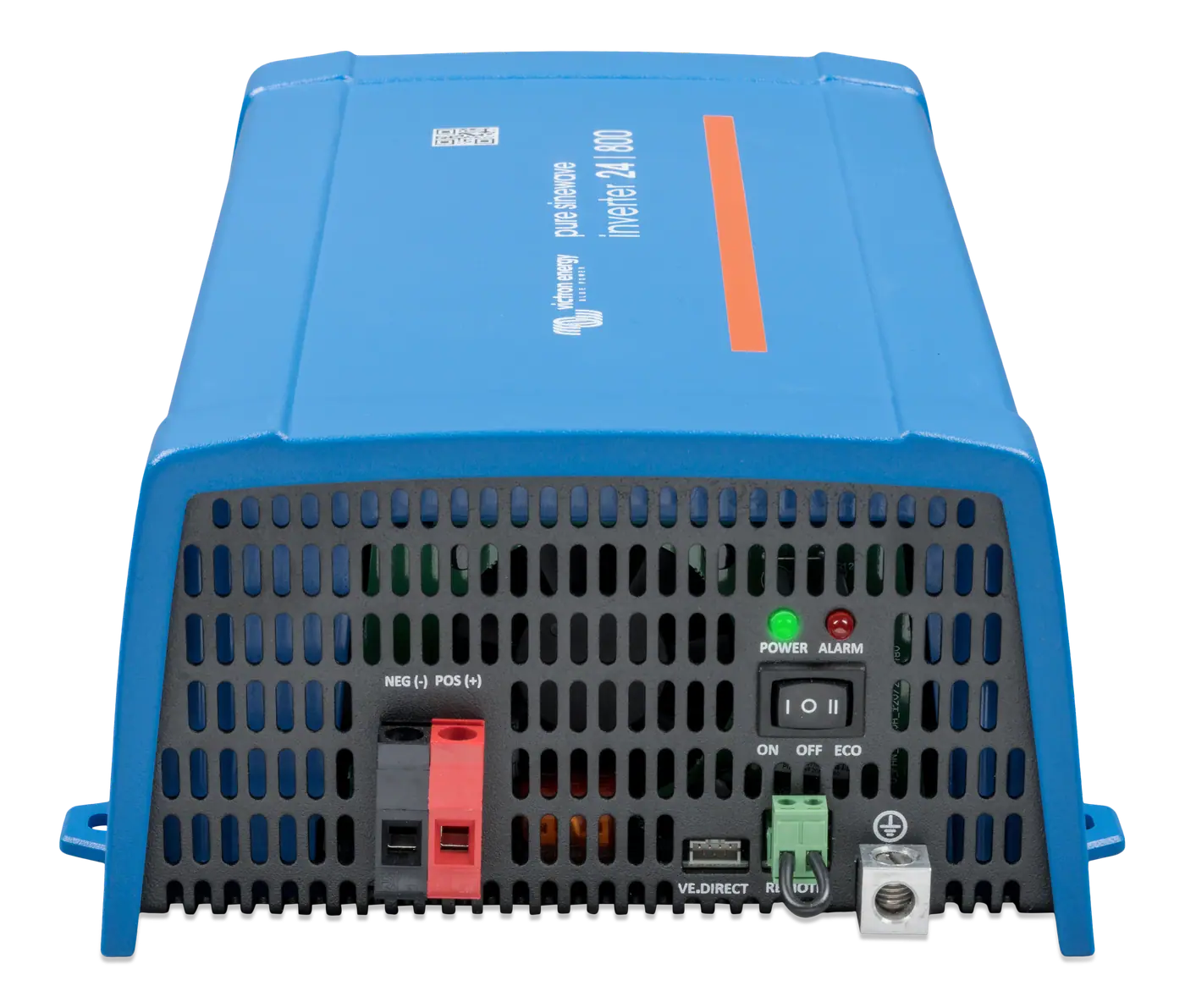 Victron Energy
Victron Phoenix Inverter 24 Vdc 800VA 120 Vac VE.Direct NEMA
Victron Phoenix Inverter 24 Vdc 800VA 120 Vac VE.Direct NEMA converts battery DC power into pure sine-wave AC power for compatible onboard equipment.
SKU VIC-PIN241800500
$236.30MSRP $278.00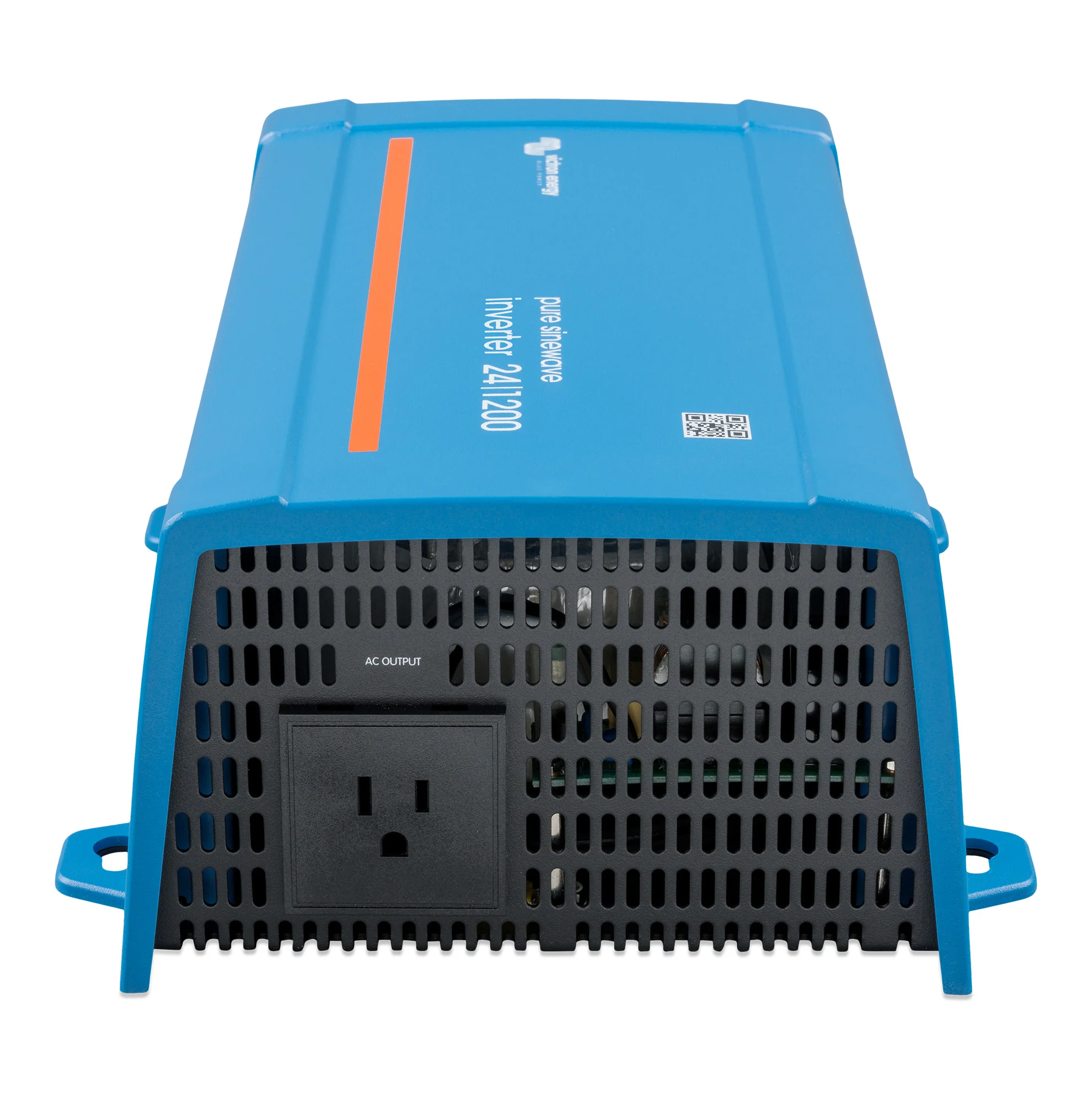 Victron Energy
Victron Phoenix Inverter 24 Vdc 1200VA 120 Vac VE.Direct NEMA
Victron Phoenix Inverter 24 Vdc 1200VA 120 Vac VE.Direct NEMA converts battery DC power into pure sine-wave AC power for compatible onboard equipment.
SKU VIC-PIN242122500
$331.50MSRP $390.00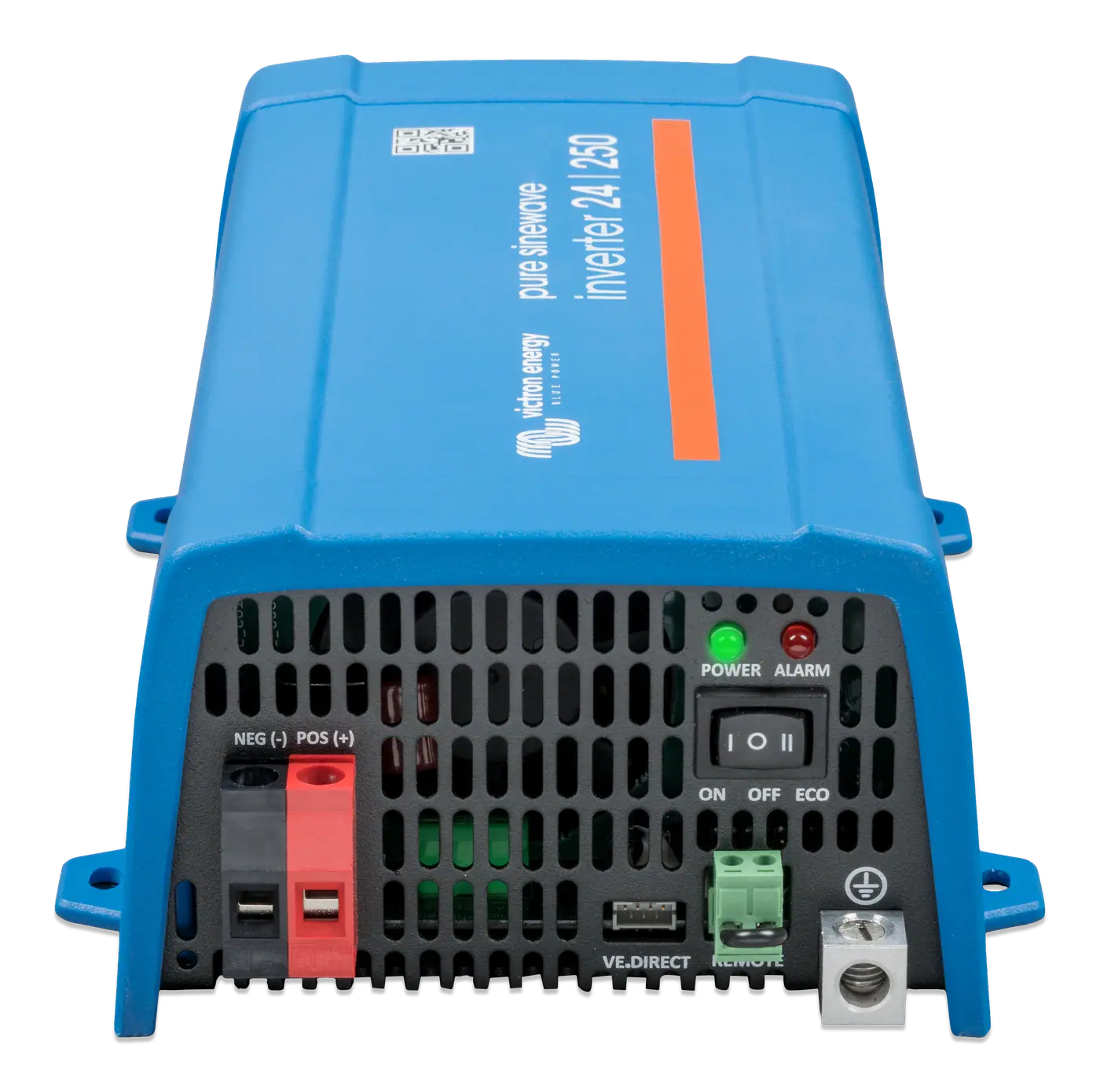 Victron Energy
Victron Phoenix 24/250 120 V NEMA 5-15R Inverter with VE.Direct
Victron Phoenix 24/250 120 V NEMA 5-15R Inverter with VE.Direct converts battery DC power into pure sine-wave AC power for compatible onboard equipment.
SKU VIC-PIN242510500
$111.35MSRP $131.00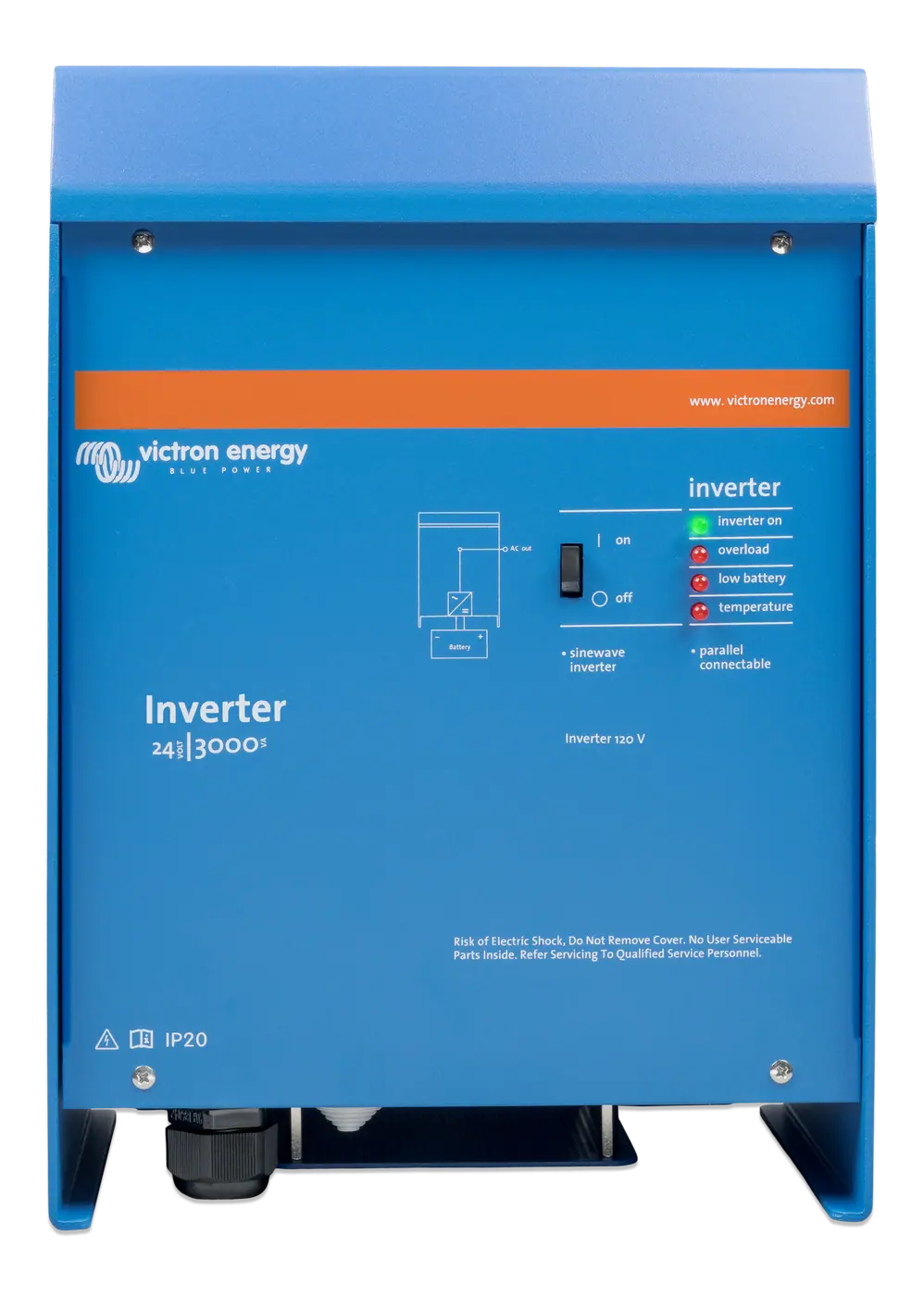 Victron Energy
Victron Phoenix Inverter 24 Vdc 3000VA 120 V VE.Bus
Victron Phoenix Inverter 24 Vdc 3000VA 120 V VE.Bus converts battery DC power into pure sine-wave AC power for compatible onboard equipment.
SKU VIC-PIN243020100
$1,154.30MSRP $1,358.00


Choosing an inverter for an RV
An inverter turns the DC power stored in the house batteries into 120 V AC for outlets and appliances. Every inverter on this page runs from a 12 V or 24 V battery bank and has 120 V output, the combination most North American RVs and camper vans use.
- Match the battery voltage. A 12 V inverter needs a 12 V bank and a 24 V inverter needs a 24 V bank.
- Size for continuous load and start-up surge. Add up the loads that run at the same time and leave margin for motors and compressors starting.
- Pick the outlet style. The smaller VE.Direct models are offered with a NEMA 5-15R or a GFCI outlet.
To charge the batteries from shore power or a generator through the same unit, see RV inverter/chargers.
Choosing the right RV inverters
12 V and 24 V Victron Phoenix inverters with 120 V output, from 250 VA to 3000 VA.
Talk to an expertTechnical support
Not sure which one fits your build?
Our marine electrical team can compare options against your boat, helm layout, and circuit list — so you order the right part the first time.
Frequently asked questions
What size inverter do I need for my RV?
Add up the wattage of the AC loads you expect to run at the same time, then allow for start-up surge on motors and compressors. Compare that figure with the inverter's continuous rating, and confirm the battery bank and cabling can supply the DC current the inverter will draw.
Should I choose a 12 V or 24 V inverter?
Choose the model that matches your house battery bank. A 12 V inverter cannot run from a 24 V bank, or the reverse. A higher battery voltage lowers the DC current for the same AC power, which allows smaller cables on larger systems.
What is the difference between an inverter and an inverter/charger?
An inverter only converts battery power to AC. An inverter/charger adds a battery charger and a transfer switch, so one unit handles shore or generator power as well as battery power.
Shipping & returns
- Stocked items typically ship the next business day from our US warehouse.
- 30-day returns on unused stocked items. Exclusions apply. See policy
- Custom and quoted items are non-returnable once production begins.
Certifications & training
- ABYC-aware build practices
- OEM-grade marine wire & terminals
Additional capabilities are based on hands-on experience building marine wiring systems rather than third-party certification.
Related collections
- RV Inverter/ChargersVictron MultiPlus, MultiPlus-II and Quattro inverter/chargers for 12 V and 24 V RV battery banks with 120 V AC.
- RV BatteriesVictron AGM, gel and lithium (LiFePO4) house batteries for 12 V and 24 V RV and camper systems.
- RV Battery MonitorsVictron SmartShunt and BMV battery monitors that show state of charge for 12 V and 24 V RV house banks.
- RV DC-DC ChargersVictron Orion XS and Orion-Tr Smart DC-DC chargers that charge an RV house bank from the alternator.
- RV Battery Management SystemsVictron battery management systems for RV lithium banks: Smart BMS, smallBMS, VE.Bus BMS and Lynx Smart BMS.
- RV Solar ChargersVictron SmartSolar and BlueSolar charge controllers for RV roof arrays, with PV input ratings up to 150 V.
Brands we carry

Why work with our team
Marine electrical experience behind every part we ship.
Picked for marine use
We carry parts that hold up in salt, vibration, and heat — and we'll tell you when a cheaper option will give you trouble.
Real engineering review
Send your circuit list or layout and our team will sanity-check wire sizes, breakers, and connectors before you order.
Direct support
Talk to the team that builds custom harnesses and helm panels for boat builders, dealers, and refit yards.